How to Build a Business Case for CX
- Sarah Clearwater
- Jun 10
- 4 min read

Key Takeaways
CX insights often exist, but don’t land because leaders can’t see how they link to business priorities.
The core issue isn’t a lack of customer focus, but a weak or missing business case.
CX work only creates impact when insight is paired with influence, storytelling, and relationship-building.
Without that “change work,” insights stay in reports instead of shaping decisions.
To gain traction, CX needs to connect directly to current business priorities and outcomes.
The most effective approach is to align with what the business is already focused on, not try to redirect it.
Positioning CX as an enabler of outcomes increases relevance, influence, and adoption.
If you work in customer experience, you've probably been here: you have research, you have journey maps, you have a clear picture of what customers need, and the business is making decisions without using it.
You have the insight. But how do you make it land?
It's not that leadership doesn't care about their customers. It's that they can’t see a connection between your work and the outcomes they're trying to achieve. That's not a CX problem. That's a business case problem.
Why CX teams need a business case
Customer experience practitioners show up in organisations in three ways: as an advisor, an advocate, or an ally. Most of us naturally fall into an advocate or advisor role. It’s the space we enjoy most.
However, here’s the thing! When we take a CX role, it's actually two jobs. The first job is the work — journeys, research, insights. The second job is the change work, that’s building relationships, telling stories, and creating trust. You can't do one without the other. The change job is everything you do to make sure the work you've built actually influences decisions. This includes:
Socialising your findings.
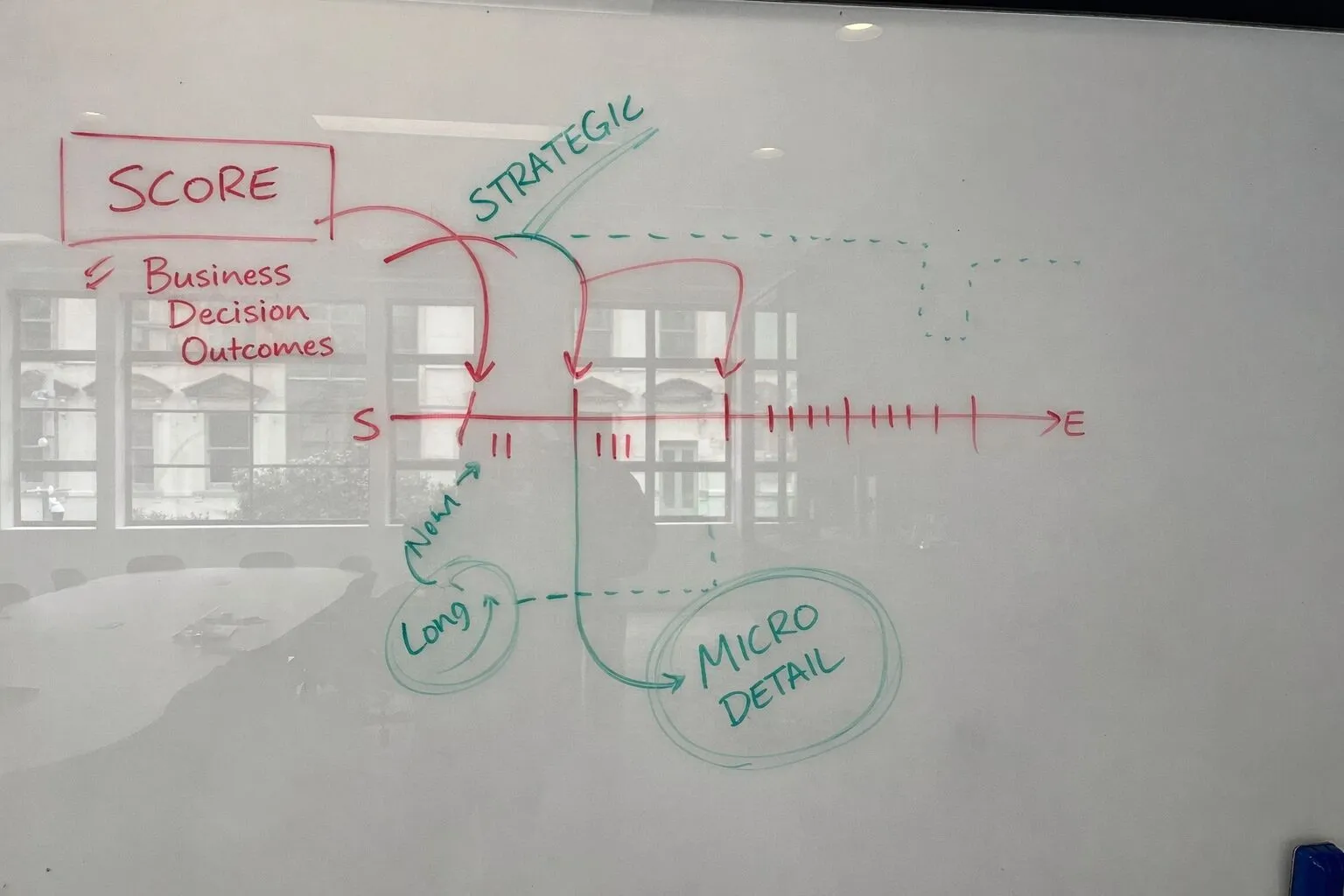
Connecting your insight to active business priorities.
Telling stories that leaders can act on.
Without the change job, your CX work lives in a folder and gets referenced at best or at worst, ignored.
A business case is the bridge that connects what you know to what the organisation does. It needs to include:
What is the business working on right now - and where is the friction?
How does my CX insight connect directly to that priority?
What does it cost the organisation to keep making decisions without this?
More importantly, it needs to link the work that you do to the organisation's strategic goals to change your CX insight from a discretionary expense to risk mitigation.
Follow the energy, not your agenda
One of the most effective ways to build a CX business case is to stop leading with what you know is most important and start connecting to what the organisation already cares about.
If acquisition is the current priority, find the thread between your insight and the acquisition conversation.
If a major technology project is underway, figure out where customer insight would improve its design and delivery.
Get involved in the work that matters to the business right now and use that involvement to demonstrate the value of your perspective.
This is how you build runway - not by forcing your way to the top of the agenda, but by making yourself indispensable to the agenda that already exists.
Position yourself as an enabler, not an advocate
There's an important distinction between showing up as an advocate for the customer and showing up as an enabler of business outcomes. Advocacy can feel like opposition - especially in organisations that aren't yet customer-mature. Enablement feels like partnership.
For example, say your CX work is struggling to gain traction.
You might be responsible for bringing the customer perspective into strategic decisions. You’ve got solid data, and you’ve built good relationships across the business—but when it comes to influencing senior leaders, your insights just aren’t landing.
At the same time, the organisation might be going through a major change that is already commanding executive attention.
Instead of continuing to push for visibility at the top, you could embed yourself within that transformation. Build relationships with the people leading the initiative and use your customer insights to shape decisions where they’re already happening.
By contributing to a space the business is prioritising, your work becomes more visible and relevant. Over time, this creates a clearer link between your insights and real business outcomes, making it easier for senior leaders to see the value you bring to the conversation.
When you frame your CX work as a tool the organisation can use to achieve what it's already trying to achieve, you become easier to invest in. You reduce the perceived risk of the CX function and increase its perceived value.
Start with a diagnostic, not a deck
Before you can make a compelling business case, you need to know where to aim it.
That means triangulating three things:
The current business strategy
Your team's deliverables and KPIs
And whatever customer data you already have access to.
This gives you a clear picture of where your work should focus to create maximum traction. Without it, you're producing broad, untargeted output with the hope that something will stick. With it, you're telling a story the organisation already wants to hear and showing exactly how CX insight helps tell it.
If you're a sole-charge CX practitioner or lead a small CX team inside a mid-to-large organisation, The CX Buy-In Blueprint (Tuesday 5 May, free, 90 minutes) is a working session designed to help you map exactly this. You'll leave with clarity on where to focus and a narrative you can walk into any room with.
Go Deeper On These Ideas
Listen, watch or join in the discussion: