top of page
CXC_LeadershipSummit_2024_lowres-12_edited.jpg

How to Align Teams Around CX

  • Sarah Clearwater
  • Apr 27
  • 4 min read
Aligning teams around customer experience

Key Takeaways

  • CX teams fall into the Build Trap when they focus on producing work instead of making sure it’s seen and used.

  • Impact comes from sharing early and often—not waiting until work is polished.

  • Alignment happens when CX connects to existing business priorities, not when it tries to stand alone.

  • Great CX work is equal parts insight delivery and relationship building.

  • CX gains traction when it helps other teams hit their goals—not when it asks them to care about CX.

  • Journey maps are tools for conversation, not static deliverables.

  • Alignment is built through consistent visibility of the customer in everyday decisions. If CX work isn’t visible or actionable, it will be seen as low value—and cut.

Most organisations say they’re customer-centric. Very few have created the conditions for CX to actually shape how cross-functional teams operate on a day-to-day basis. 


The Build Trap: Why CX Work Stays Invisible 


There’s a pattern in CX teams—especially small ones. They do great work, but it stays in their corner of the organisation.


  • Other teams don’t see it. 

  • Colleagues reference it occasionally. 

  • But no one acts on it. 


That’s the Build Trap. 


It happens when CX teams focus on the work that feels comfortable—research, journey maps, insight reports—but don’t socialise or embed it. 


A journey map that only the CX team has read isn’t an alignment tool. It’s a file. 

Getting out of the Build Trap means working out loud. 


  • Share early. 

  • Invite others into the research. 

  • Connect insights to real business decisions—while the work is still taking shape, not after it’s finished. 


Working out loud puts your work into the spaces where it can be challenged, shaped, and—most importantly—used. 


Building a Runway: Meeting the Organisation Where It’s At 


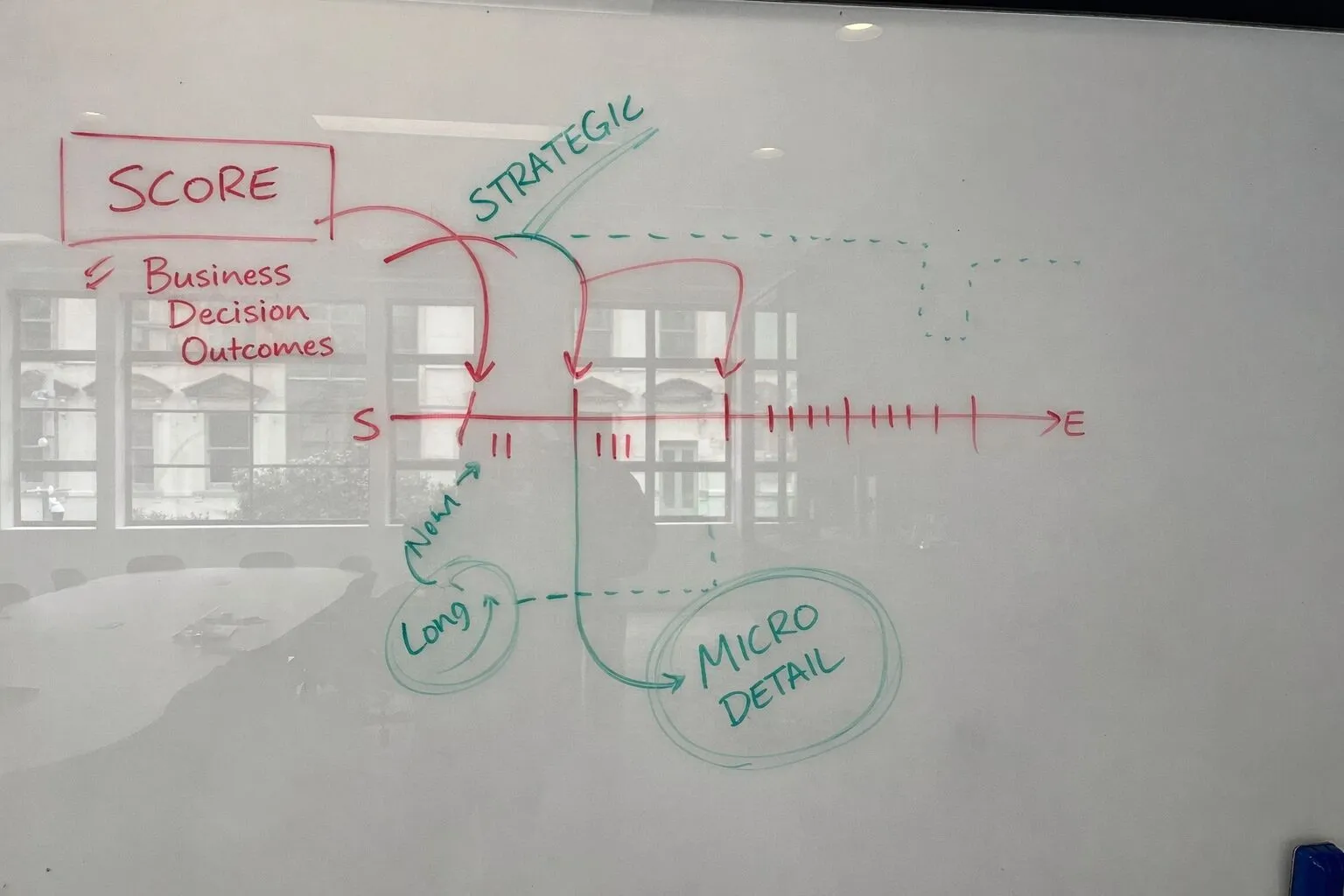
Alignment happens when people can see themselves in the same story. 


Take a CX lead in a public sector organisation. She had strong data, clear insights, and good relationships—but none of it was landing at the executive level. 


At the same time, the organisation was deep in a major technology transformation. That’s where the attention, budget, and energy were. 


So instead of pushing upward, she moved sideways. 


  • She embedded herself in the tech programme. 

  • Built a relationship with the project lead. 

  • Used customer insight to shape the transformation as it happened. 


Her visibility grew. Leaders started to see the value; not as “CX work,” but as something that made a critical priority more successful. 


She didn’t force alignment. She allowed it to emerge. 


That’s what building a runway looks like. Meet the organisation where it’s at—not where you think it should be. 


Connect CX to What the Organisation Cares About 


There was a time when every organisation wanted CX. Many specialists were hired without fully understanding what CX actually does.  


Often, it's because one person “got it” and created enough space to hire a CX practitioner. But this doesn’t mean the rest of the organisation was ready or knew how to leverage it.  


That’s why CX is a two-part role: 


  1. Doing the work — research, journeys, interviews, analysis 

  2. Building the runway — storytelling, relationships, and trust 


You’re not just delivering insights. You’re creating the conditions for those insights to matter. 


And here’s the reality: you’re entering as an agitator. So don’t fight the business head-on. Connect to what it already cares about. 


If the focus is acquisition—but you know retention is the real opportunity—start with acquisition. 


  • Use it to build trust.  

  • Demonstrate value.  

  • Earn the right to influence what comes next. 


Creating the Conditions for Alignment 


Alignment starts with shared visibility. 


When teams can see the same picture, they stop making decisions in isolation—and start making them together. 


One of the fastest ways to get there? Stop asking teams to care about CX. Start showing them how it helps them do their job better. 


  • For product: reduce the risk of building the wrong thing 

  • For marketing: highlight where journeys create friction, not conversion 

  • For operations: expose the internal inefficiencies preventing customer outcomes 


When CX becomes useful, alignment follows. 


Journey maps are one of the best tools for this. Not as documents. As conversation starters. 


When you roadshow a journey map, you’re not just sharing insights. You’re creating a shared language. You’re showing where experiences break—and who influences them. 


Alignment Is Ongoing 


I recently spoke to a CTO who had witnessed their organisations’ CX team disestablished. 


  • They believed in CX. 

  • They wanted it to work. 

  • But after investing in it, they saw no value. 


Why? 


The team had done the work—journey maps, interviews, insights. But none of it was visible, none of it was anchored into business priorities. This is the classic Build Trap in action. 


Because alignment isn’t created by a single piece of work. It’s built through a consistent, visible connection between people, profit, and purpose. 


That’s culture change. And culture change happens through repeated action—not one polished deliverable. 


The organisations that get this right don’t rely on big CX initiatives. They make the customer visible—consistently, in every conversation where it matters.  If you're working to close the alignment gap in your organisation, the CX Buy-In Blueprint (Tuesday 5 May, free) is a working session that will help you map where the gap is and where to focus first >  reframr.co.nz/thecxbuyinblueprint 


+64 22 160 7024

  • White LinkedIn Icon

Reframr Ltd

38 Eskdale Road

Birkdale

0626 Auckland

© 2025 by REFRAMR

bottom of page