Storytelling as a Driver of Change
- Sarah Clearwater
- 21 hours ago
- 4 min read

Key Takeaways
Good work doesn’t automatically create impact. The missing link is often the ability to build buy-in, trust and a clear path to action.
Storytelling is a strategic capability, not just a communication skill. It should happen throughout the work, not only at the final presentation.
Anchor your story in the organisation. Connect the work to organisational goals, desired outcomes, performance measures and the people behind it.
Know your audience. Understand who needs to hear the story, what matters to them and how to adapt your message accordingly.
Workplace storytelling isn’t the Hero’s Journey. It’s about helping people understand how your work matters for their goals to make aligned action the logical next step.
Keep the story alive after delivery. Intentional activations can keep the work visible and maintain momentum.
Use storytelling to create clarity and confidence. Sharing progress and smaller wins helps teams and decision-makers see that the work is moving towards an outcome.
Build storytelling into decision points. When done well, the groundwork is laid before the big decision moment, making it easier for leaders to act.
Over the past 15 years, I’ve worked with many leaders in design, change and continuous improvement roles, and the pattern repeats. Teams invest a lot of time, effort, and care into their work, and it ends up going nowhere.
If there’s one thing that customer experience design and organisational change has taught me, it’s this: Good work delivers strong outputs. But it doesn’t guarantee a meaningful outcome for customers, colleagues or communities.
Why? Because most job descriptions and project plans revolve around tasks and deliverables. Outcomes are generated through relationships, connection and trust. In a work context, we use language like buy-in, alignment and runway to mean the same thing. What this language tends to obfuscate is that the answer to outcome isn’t more effort – it's activities that surface our shared humanity. And the best way people have done this over centuries, continents and cultures is with storytelling.
Storytelling is not a comms tool
For many people I speak with, storytelling is about presentation or communication skills. If I just get better at standing in front of a room, they think, my key stakeholders will get the message and agree to what I am proposing.
While public speaking and presentation skills are undoubtedly important, they only constitute a small part of the craft of storytelling. More simply put, if you’re waiting till that final presentation to tell your story, you’ve likely already lost the room before you started speaking.
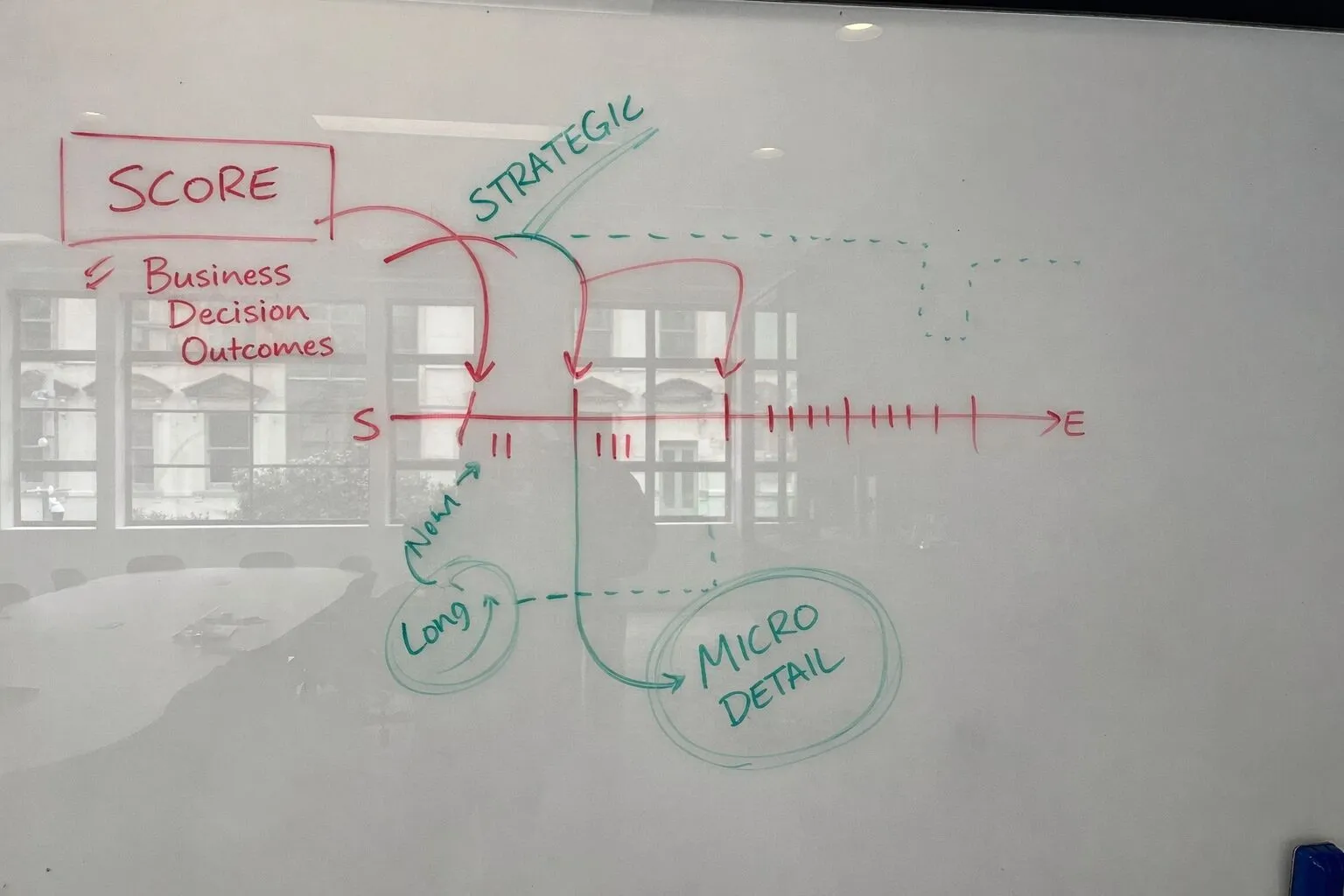
Storytelling, first and foremost, is a strategic capability. Which means that storytelling is ongoing and intentional activity to bring people into the journey and build momentum and runway for your work overtime. Storytelling, done right, generates visibility and urgency for your work and keeps it alive well beyond a single deliverable.
It is one of the most underutilised and underestimated skills in the workplace, and in my experience, it is the differentiator between teams that have impact and those that don’t.
Storytelling as a strategic capability
In practice, mastering storytelling as a strategic capability involves four things.
1. Story anchors
This is your ability to anchor your work in the unique context of your organisation. Its goals, desired outcomes, performance measures and, most importantly, the people behind the work. Every story should connect back to the organisation’s priorities and the realities that shape how the work gets done.
2. Understand the audience
Being able to articulate a shared narrative as a team on what your work is about, personalised for different audiences you are trying to bring on the journey. Singing from the same song sheet, adapted for different contexts is key to strategic storytelling.
3. Craft and deliver
Ninety-nine per cent of storytelling frameworks you get off the internet propose a generic hero’s journey. That’s not how you tell stories at work. You’re not necessarily taking people on a dramatic journey; you’re using story to help them understand why something matters, and what needs to happen next. Strategic storytelling helps you build alliances, highlight win-win outcomes or create empathy and urgency for a point of view that requires critical consideration by decision makers.
4. Generate action
This is how you keep the momentum building post-delivery, and continue to influence after the event, so the story turns into decisions and outcomes.
Number four is often where we see teams fall apart. So, what does keeping the story alive look like?
It could be bespoke activities or conversations that you plan and deliver as part of your regular cadence. A workshop, roadshow or exhibition, for instance. Or it could be something as simple as updating your teams background to reflect the project you’re working on, so that when someone talks to you, it’s front of mind.
Consistent and intentional actions keep reminding people why your work matters, so when it comes time to make decisions, your work is already part of the conversation.
Why it matters
If your work environment is complex or decisions are made across silos, departments, hierarchies or policy cycles, results are not immediate. In a world that is looking for short term wins while facing systemic challenges, staying front of mind and keeping stakeholders engaged is an uphill struggle. In contexts like this, storytelling allows leaders and their teams to breadcrumb progress, relevancy and impact into every conversation even if the journey ahead goes well beyond the next quarterly update.
Confidence and trust are major outputs of good storytelling. By sharing more consistently, smaller stories throughout a project or programme timeline, key stakeholders can observe how the work is evolving while reminding your team of the good work that they have already delivered. Crucially, it provides evidence to the decision-makers who are funding the work, reinforcing that their original support for your work is indeed well placed. They can see it is going the right direction, towards impact.
Ultimately, if you are trying to drive change, relying on a single conversation or story to do the heavy lifting of relationship and trust building is risky, and rarely works out. Storytelling, done properly, gets built into every decision point along the way, so by the time the room meets, there's nothing left to decide. Only to agree upon.
Get your team's work heard, believed, and acted on by decision-makers. Ask us about our Storytelling for Influence training.